 National Parks of China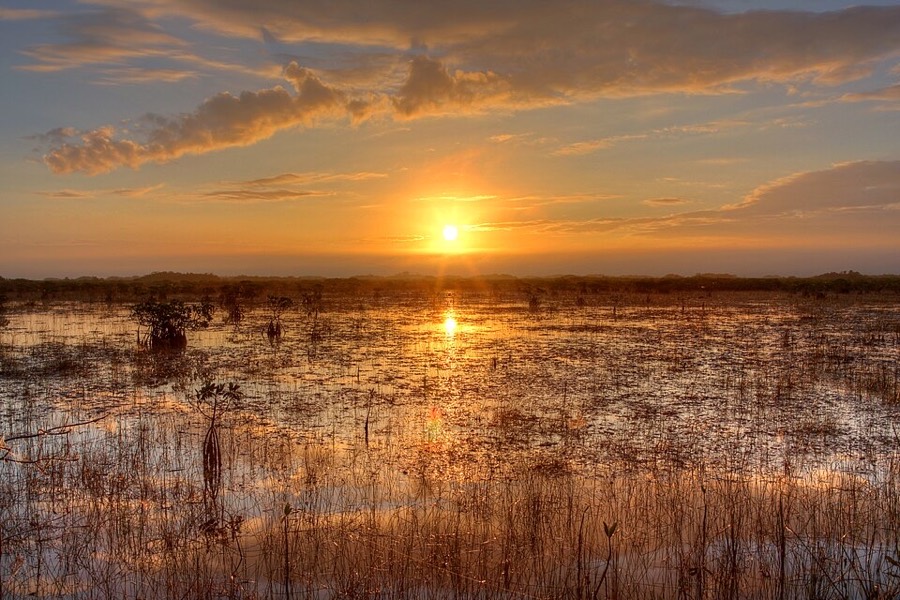
Overview
| Designation | UNESCO World Heritage (natural, 1979) US National Park |
| Location | Florida |
| Latitude, longitude | 25.2, -81.0 Google Maps |
| Highlights | Wetlands, birds |
| Wildlife | Alligators, eagles, ibises, herons, pelicans, mangroves |
| Nearby cities | Miami |
| Nearby sites | Biscayne National Park, Florida Keys, Dry Tortugas National Park |
| Themes | Wetland, Bird, Wildlife, Plant |
About
Everglades National Park is in Florida. It became a US national park in 1947, and in 1979 it was added to the UNESCO World Heritage List as a natural site.
Travel tips
Getting there: the park is at the southern tip of Florida; from Miami International Airport to the southeast entrance at Homestead is about an hour's drive. The three main entrances are far apart, so a car is needed.
Homestead entrance: the Ernest F. Coe Visitor Center is here, and the park road runs about 38 miles to Flamingo, passing the Anhinga Trail and other short walks.
Anhinga Trail: a boardwalk of about 0.8 miles, where in the dry season alligators and wading birds can be seen at close range; it suits families and is the easiest place for wildlife.
Shark Valley: to the north, near Miami, a 15-mile loop that can be done by tram or bicycle, with an observation tower halfway.
Gulf Coast: the northwest entrance is at Everglades City, from which boats go into the mangroves of the Ten Thousand Islands.
Season: December to April is the dry season, when animals gather at the remaining pools and viewing is best; summer is hot, wet and full of mosquitoes, and many trails are muddy.
Time: one day covers the Anhinga Trail and part of the Shark Valley loop; all three entrances take two or three days.
Where to stay: Flamingo has a campground and basic lodging; most visitors stay in Homestead, Florida City or Miami.
Caution: mosquitoes are heavy in the wet season, so bring repellent; do not approach or feed alligators.
More photos
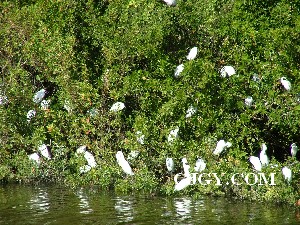
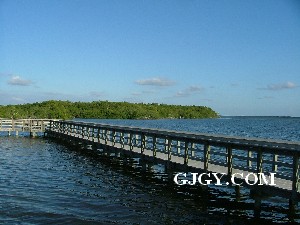
Photo credits: Everglades National Park: Everglades NPS from Homestead, Florida, United States (public domain)