 National Parks of China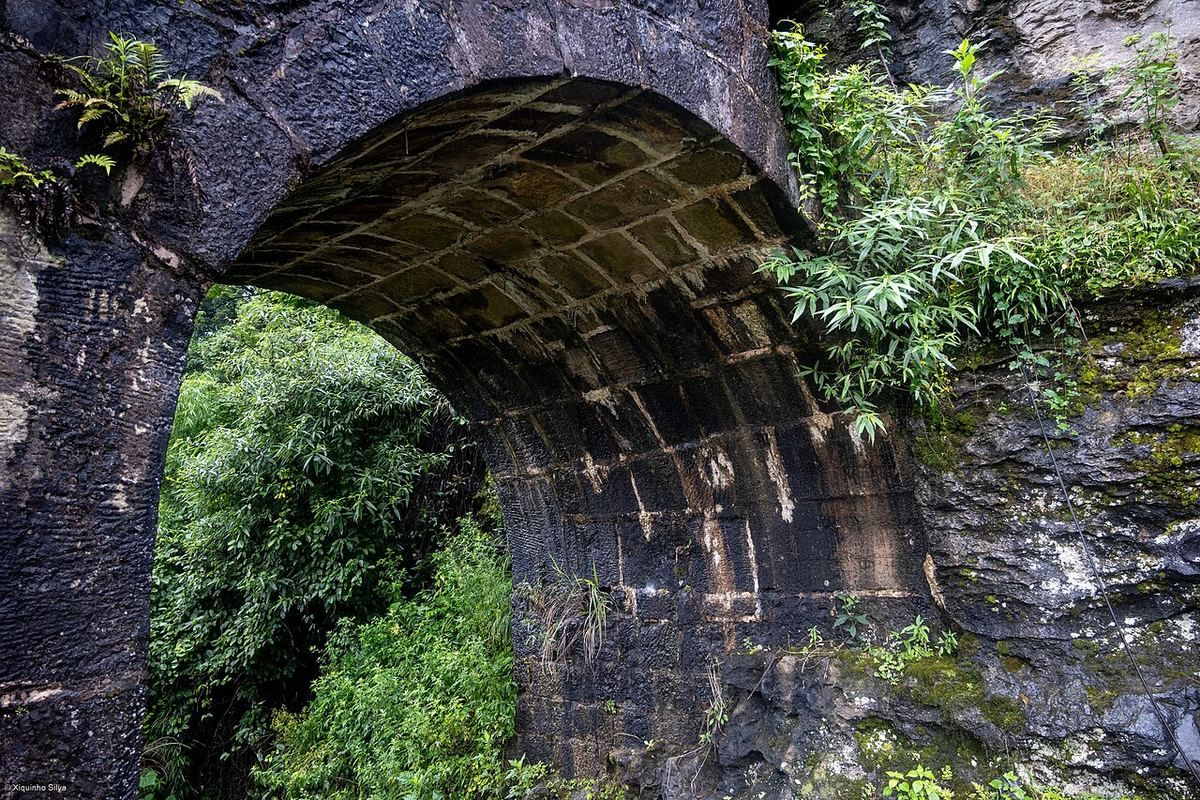
Overview
| Designation | UNESCO World Heritage (cultural, 2015) |
| Name | 土司遗址 |
| Country | China |
| Nearby cities | Chongqing, Guiyang |
| Nearby sites | Chishui 118km, Mount Jinfo 139km, Zhijin Cave 153km, Wuyang River 171km, Fanjingshan 183km Search nearby |
| Latitude, longitude | 27.81, 106.82 Google Maps |
| Themes | Culture, Ancient Building, Archaeological sites, Passes & fortifications |
About
Tusi Sites (土司遗址) was inscribed on the UNESCO World Heritage List in 2015 as a cultural site.
Travel tips
The three sites: Laosicheng (Yongshun, Hunan), Tangya (Xianfeng, Hubei) and Hailongtun (Zunyi, Guizhou) are far apart and must be visited separately.
Laosicheng: in Lingxi town, Yongshun county, Xiangxi prefecture, Hunan, the seat of the Peng chieftains. Jishou and Zhangjiajie have high-speed rail and flights; continue by long-distance bus to Yongshun. The site has areas for palaces, offices, streets, tombs and religious buildings, and a site museum.
Tangya: in Jianshan township, Xianfeng county, Enshi prefecture, Hubei, the seat of the Tan chieftains. Enshi has an airport and high-speed rail. The site has the Jingnan Xiongzhen memorial arch, stone carvings, tombs and building foundations.
Hailongtun: in Gaoping town, Huichuan district, Zunyi, Guizhou; Zunyi has high-speed rail. The fort is built along a ridge with gates and walls, mostly of the Ming Wanli period, and involves some mountain walking.
Time: half a day to a day each; four to five days for all three, in the order Zhangjiajie, Enshi, Zunyi.
Season: spring and autumn are best; summer is humid and rainy, and winter can have icy paths.
Where to stay: in Yongshun, Enshi or Zunyi; only a few guesthouses stand near the sites.
Why it was inscribed
The World Heritage Committee found that it meets criteria (ii), (iii) of the ten selection criteria:
(ii) an important interchange of human values, over a span of time or within a cultural area, on developments in architecture or technology, monumental arts, town-planning or landscape design.
(iii) a unique or at least exceptional testimony to a cultural tradition or to a civilization which is living or which has disappeared.
Description (UNESCO World Heritage Centre)
Located in the mountainous areas of south-west China, this property encompasses remains of several tribal domains whose chiefs were appointed by the central government as ‘Tusi’, hereditary rulers from the 13th to the early 20thcentury. The Tusi system arose from the ethnic minorities’ dynastic systems of government dating back to the 3rd century BCE. Its purpose was to unify national administration, while allowing ethnic minorities to retain their customs and way of life. The sites of Laosicheng, Tangya and Hailongtun Fortress that make up the site bear exceptional testimony to this form of g
Photo credits: Hailongtun Tusi fortress, Zunyi, Guizhou: xiquinhosilva (CC BY 2.0, Wikimedia Commons)
- 海龙屯
- 唐崖土司城址
- 老司城遗址