 Park of China
This is a new list, begun in 2021: national parks in China’s new protected-area system, managed by the National Forestry and Grassland Administration to protect natural ecosystems. They are a separate system from the National Parks of China (national scenic areas, 国家级风景名胜区) designated by the State Council since 1982. The first five were set up on 12 October 2021; the National Park Law took effect on 1 January 2026.

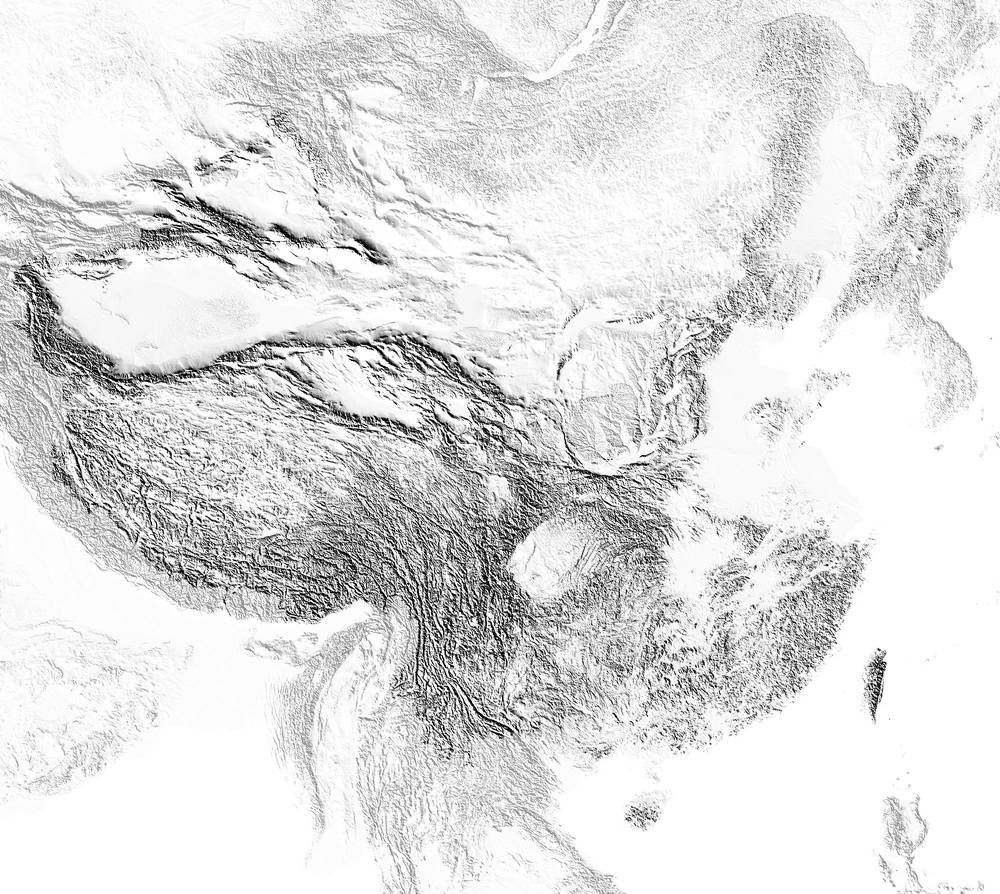
National parks set up so far (5)
| Name | Provinces | Area | Notes |
|---|---|---|---|
| Sanjiangyuan National Park 三江源国家公园 | Qinghai | 190,700 km² | Source region of the Yangtze, Yellow River and Mekong (Lancang); over 70,000 Tibetan antelopes (National Forestry and Grassland Administration, 2026). |
| Giant Panda National Park 大熊猫国家公园 | Sichuan, Shaanxi, Gansu | 22,000 km² | Protects the giant panda and its habitat across the Min, Qionglai, Daxiang–Xiaoxiang and Qinling ranges; home to over 70% of China’s wild giant pandas. |
| Northeast China Tiger and Leopard National Park 东北虎豹国家公园 | Jilin, Heilongjiang | 14,100 km² | Protects the Amur tiger and Amur leopard in the mountains on the borders with Russia and North Korea; 72 wild tigers and 115 leopards (2026). |
| Hainan Tropical Rainforest National Park 海南热带雨林国家公园 | Hainan | 4,269 km² | Mountains of central Hainan Island, including Wuzhi, Yingge, Jianfeng, Bawang and Diaoluo; 44 Hainan gibbons in 7 groups (2026). |
| Wuyishan National Park 武夷山国家公园 | Fujian, Jiangxi | 1,280 km² | Built around the Wuyishan scenic area and the Wuyishan National Nature Reserve; new species such as the Wuyi frog have been found since it was set up. See also Mount Wuyi. |
Other pilot areas
From 2015 China ran national park pilots: 10 by 2017, plus Hainan Tropical Rainforest in 2019. Five became national parks in 2021 (above); the other six were not in the first batch (areas as in the pilot):
| Name | Provinces | Area | Notes |
|---|---|---|---|
| Qilian Mountains | Gansu, Qinghai | about 50,000 km² | Habitat of the snow leopard, white-lipped deer and other rare animals. |
| Shennongjia | Hubei | 1,170 km² | Subtropical mountain forest and sphagnum wetland; golden snub-nosed monkeys, dove trees. See also Shennongjia. |
| Qianjiangyuan | Zhejiang | about 252 km² | Source of the Qiantang River in Kaihua County; later merged with Baishanzu as a candidate park. |
| Nanshan | Hunan | 635.94 km² | Chengbu Miao Autonomous County, combining the Nanshan scenic area and nature reserves. See also Nanshan Scenic Area. |
| Shangri-La Pudacuo | Yunnan | 602.1 km² | Shangri-La City, Dêqên Prefecture; now within the Shangri-La candidate park. |
| Beijing Great Wall | Beijing | 59.91 km² | Yanqing District, based on the Yanqing part of the Badaling–Ming Tombs scenic area; 27.48 km of the Great Wall. See also Badaling Great Wall. |
Candidate areas
The national park spatial layout plan of December 2022 selected 49 candidate areas (including the five already set up): 44 on land, 2 combining land and sea and 3 marine, about 1.1 million km² in all, 13 of them on the Tibetan Plateau. They are to be set up one by one as each is ready; the full list has not been published.